Discover Croatia’s Adriatic islands, UNESCO cities, national parks and hidden pleasures on one beautifully designed private journey
Croatia luxury private tours offer a refined way to discover a country that is not meant to be hurried.
It is a country best discovered gradually—from Dubrovnik’s magnificent city walls and the vineyards of Pelješac to the sunlit islands of Dalmatia, the waterfalls of its national parks, the hilltop towns of Istria and the Central European elegance of Zagreb.
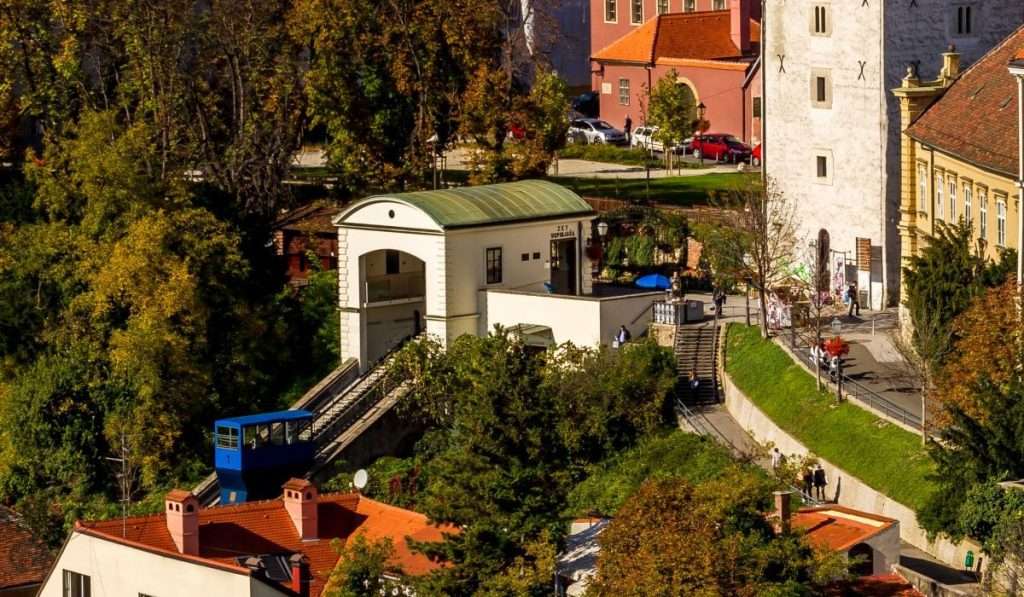
Zagreb funicular – photo credit by Zagreb TB – photo by J. Duval
Our multi-day journeys through Croatia luxury private tours are individually designed around your interests, preferred pace and style of travel. Every itinerary can be adapted, refined and enriched with handpicked experiences, exceptional local guides, carefully selected hotels and seamless private transportation.
Rather than simply taking you from one famous place to another, we create a journey that allows you to understand Croatia, experience its atmosphere and enjoy each destination without unnecessary haste.
This is Croatia, beautifully connected—and designed entirely around you.
Dubrovnik: The Magnificent Beginning
There are many ways to begin a journey through Croatia, but few are as memorable as arriving in Dubrovnik.
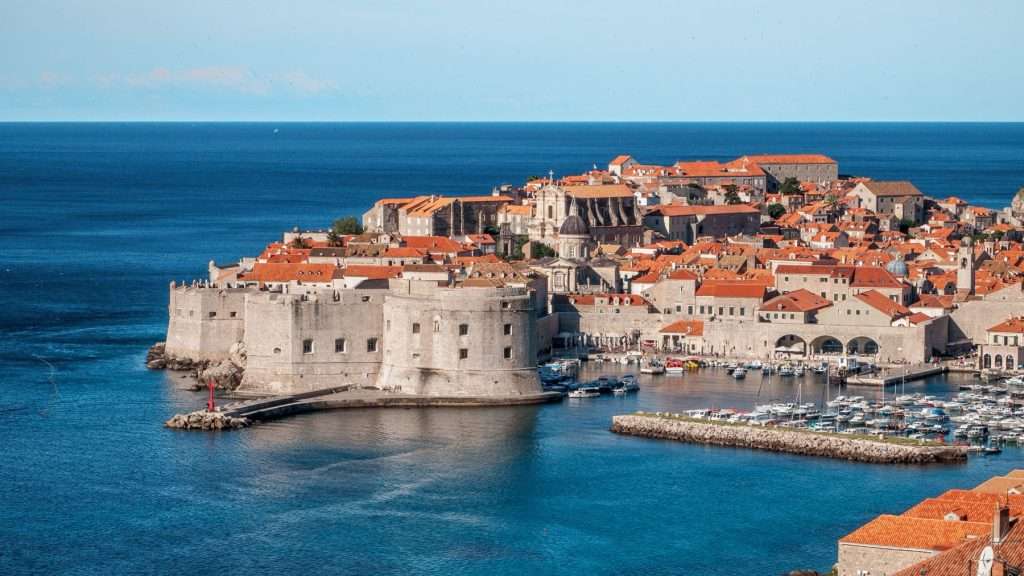
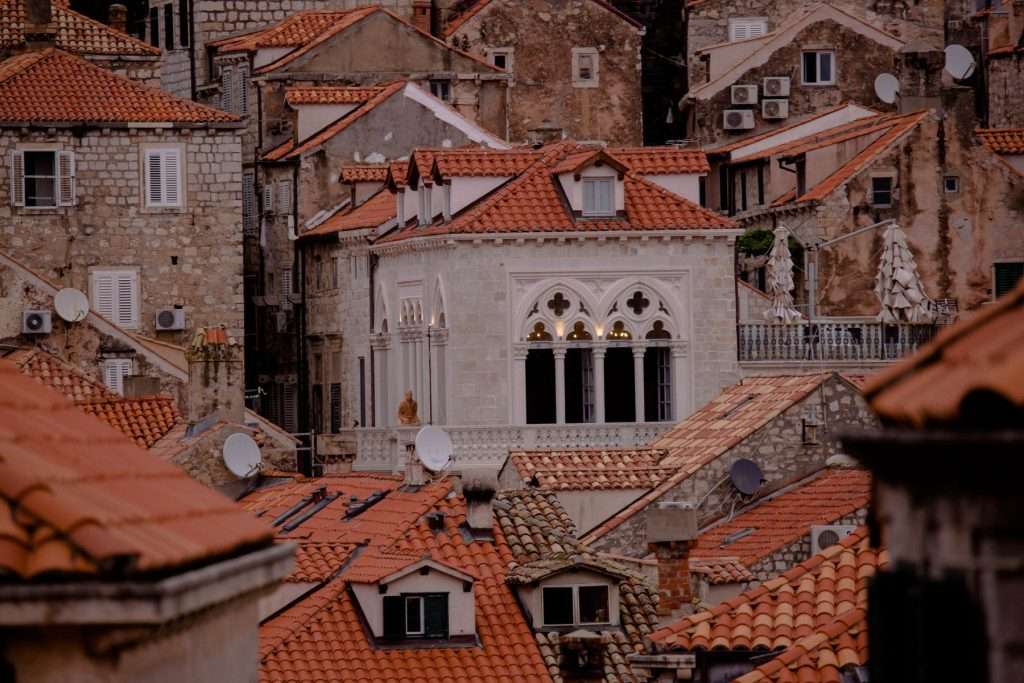
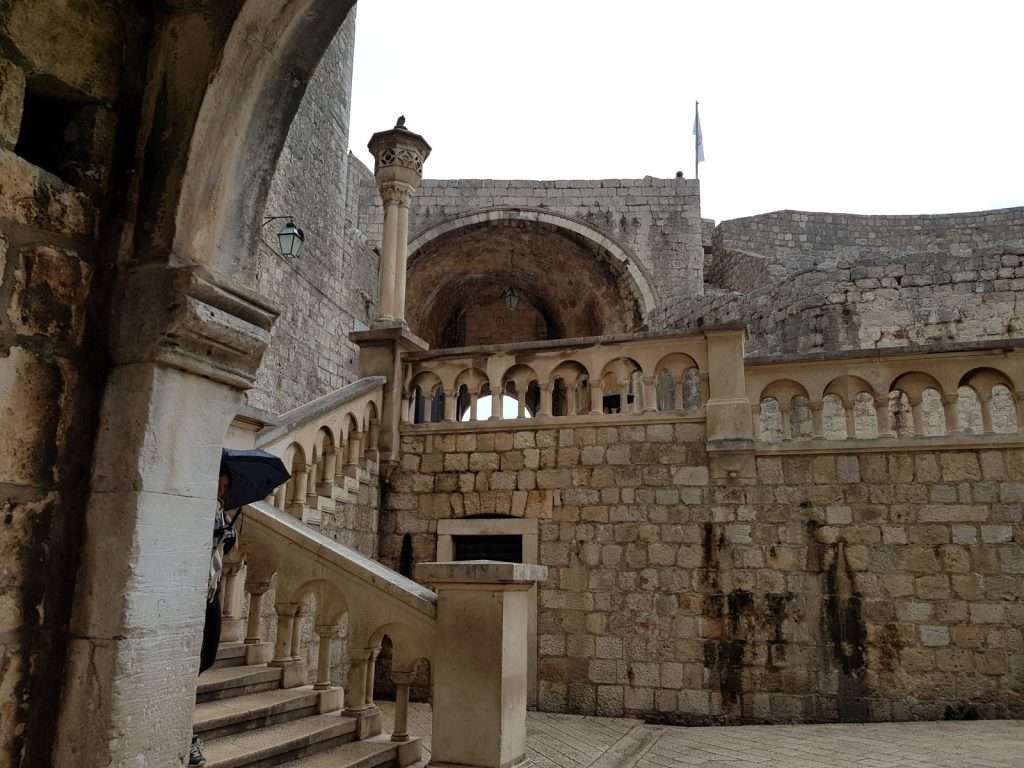
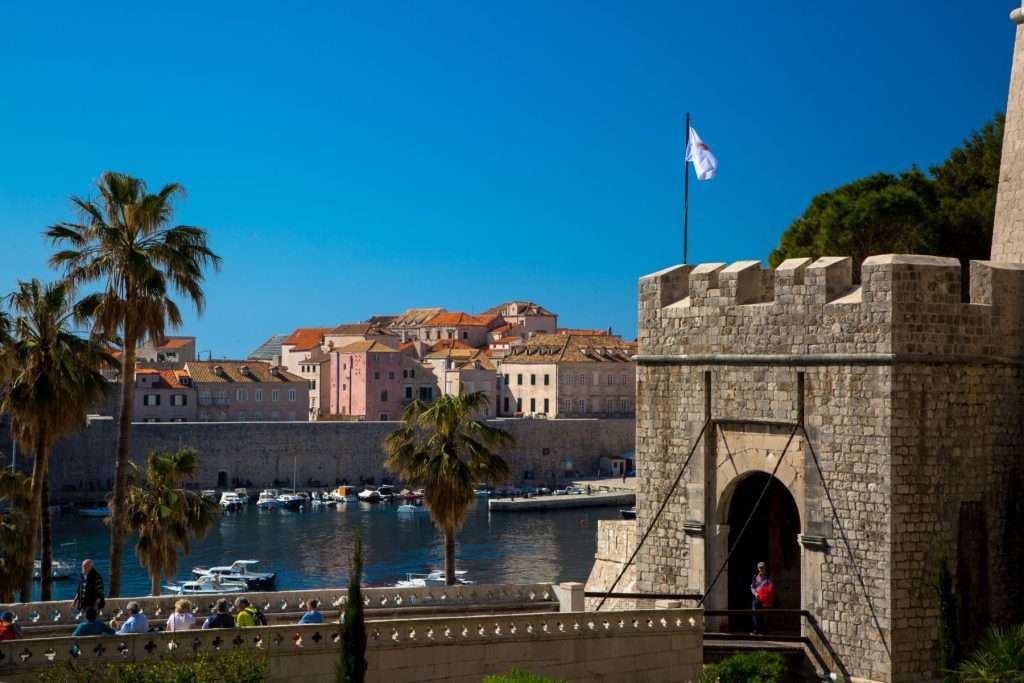
Encircled by monumental stone walls and overlooking the deep blue Adriatic, Dubrovnik is one of Europe’s most striking historic cities. Its UNESCO-protected Old Town reveals centuries of maritime power, diplomacy, culture and independent spirit. Walk along the polished stone of Stradun, visit the Church of St. Blaise and Dubrovnik Cathedral, pause beside Onofrio’s Fountain and enter the Franciscan Monastery, home to one of Europe’s oldest continuously operating pharmacies. Above the rooftops, the city walls offer extraordinary views of terracotta tiles, ancient fortresses, nearby islands and the open sea. At sunset, Dubrovnik becomes particularly beautiful, glowing in warm tones as the Adriatic slowly changes colour.
Dubrovnik, Croatia, photo by Ivan Vuković Vuka
Yet Dubrovnik is much more than its architectural heritage.
It is also one of Croatia’s most exciting gastronomic destinations, with elegant fine-dining restaurants, creative interpretations of Dalmatian cuisine and intimate family-run establishments serving traditional dishes prepared according to recipes passed down through generations. For travellers interested in contemporary culture, Dubrovnik may also appear familiar as one of the filming locations used in the HBO series *Game of Thrones*. However, the authentic story of the city—its history, resilience and beauty—is far more fascinating than any fictional kingdom.
Croatian attractions Dubrovnik 25
We recommend spending at least three nights in Dubrovnik, allowing enough time to explore the Old Town while also discovering the landscapes, islands and traditions of southern Dalmatia.
Dubrovnik Croatia photo by Ivan Vuković Vuka
Dubrovnik from Above-and Beyond the City Walls
The scale and beauty of Dubrovnik become even more impressive when seen from above.
A helicopter flight offers an unforgettable perspective over the Old Town, the city walls and the surrounding coastline. Longer panoramic routes may continue towards Korčula or Hvar, revealing the remarkable geography of the southern Adriatic. For a gentler ascent, take the cable car to Mount Srđ. From its summit, the entire city appears below you, framed by the sea, the Elaphite Islands and the mountains beyond the Croatian border.
Food & wine tour in Dubrovnik, photo credit by partner
Dubrovnik is also an ideal base for exceptional private day experiences. Travel south to elegant Cavtat and the rural landscapes of Konavle, where family estates, vineyards and traditional cuisine reveal a quieter side of the region. Journey north towards Ston to walk beside its monumental defensive walls and taste fresh oysters from the Bay of Mali Ston.
Continue along the Pelješac Peninsula, one of Croatia’s most important wine regions, for private tastings of distinctive local varieties including Plavac Mali, Dingač and Postup.
Each experience adds another dimension to Dubrovnik—and another reason not to rush your stay.
The most famous Peka cooking class near Dubrovnik – photo credit by Croatian Attractions partner
The Elaphite Islands: Your Day of Vitamin Sea
For those who come to Croatia dreaming of clear water, hidden coves and an unhurried day at sea, the Elaphite Islands are irresistible.
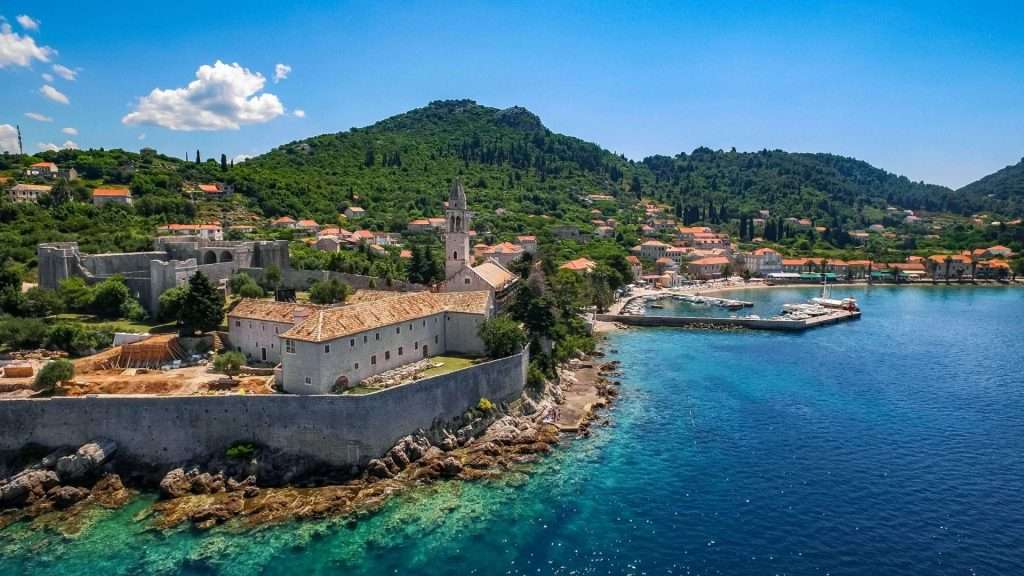
Located just off the Dubrovnik coast, this tranquil archipelago offers pine-covered landscapes, small fishing villages, secluded beaches and the kind of Mediterranean atmosphere that feels increasingly rare.
Lopud island, Elaphite islands, Croatia, photo by Ivo Biočina, photo credit by Croatia Tourist Board
A private yacht or carefully selected boat experience allows you to swim in quiet bays, enjoy lunch beside the water and discover islands such as Lopud, Koločep and Šipan at your own pace.
Nearby Lokrum, with its botanical gardens, shaded pathways and rocky swimming places, offers another beautiful escape just moments from the Old Town.
This is slow travel in its purest form: time measured not in kilometres, but in swims, sea views and long lunches.
Lokrum – Dubrovnik area – Croatia photo by Croatian Attractions
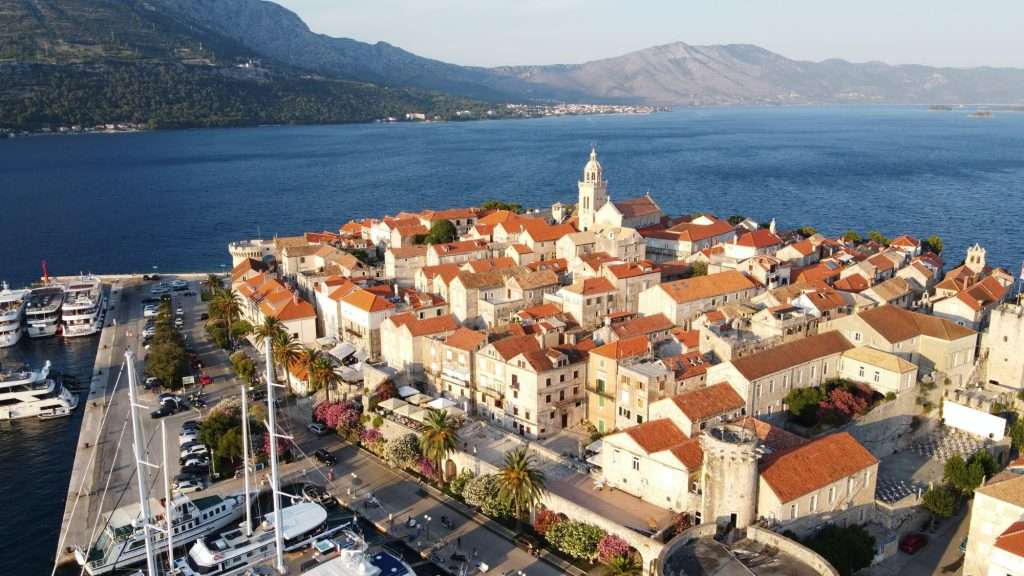
Korčula: An Island of Stone, Wine and Legend
From Dubrovnik, the journey can continue towards Korčula—an island celebrated for its preserved medieval town, indigenous grape varieties and enduring connection with the legend of Marco Polo.
Korčula Town is often described as a smaller relative of Dubrovnik, yet it possesses a character entirely its own. Its stone streets were ingeniously designed to provide shade and natural ventilation, while its palaces, churches and fortified towers reveal the prosperity of its maritime past. Beyond the historic centre, the island opens into vineyards, olive groves, traditional villages and quiet bays.
Taste Pošip and Grk wines, enjoy fresh island cuisine and discover why Korčula deserves more than a brief visit. It is not merely a stop between Dubrovnik and Hvar, but one of the Adriatic’s most rewarding destinations.
Korčula Croatia photo by K2 Croatian Attractions 2
Montenegro and Bosnia and Herzegovina: Beautifully Connected Day Journeys
Dubrovnik’s location also makes it possible to add carefully planned cross-border experiences.
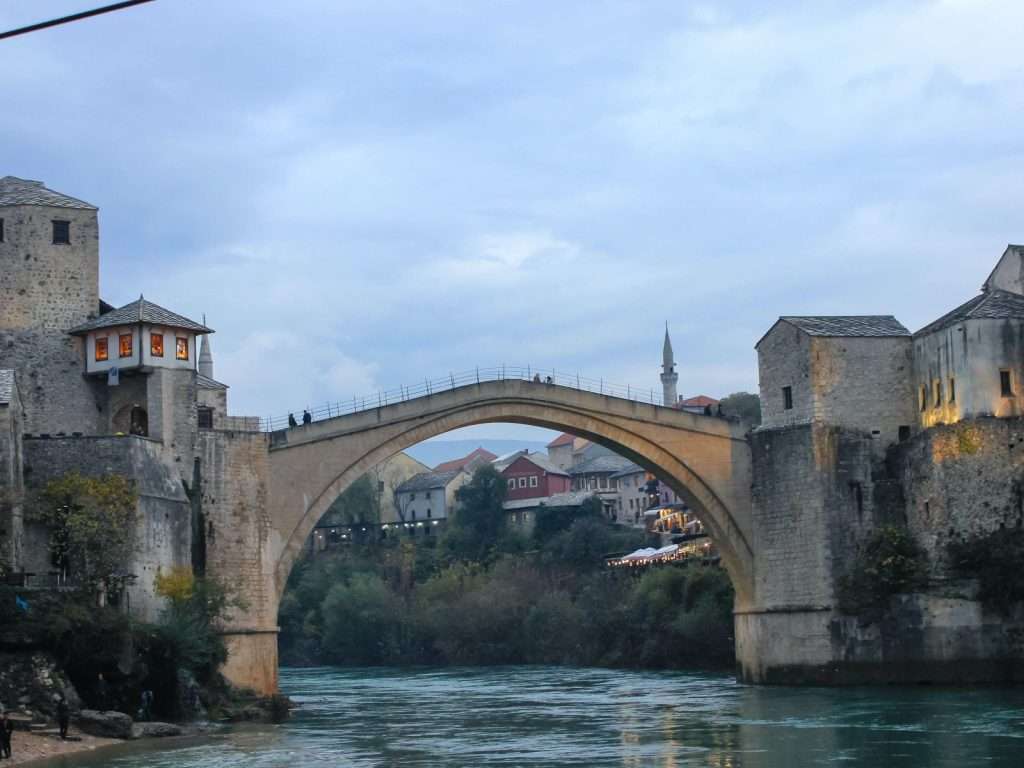
Travel into Montenegro to explore the UNESCO-protected Bay of Kotor, the baroque waterfront town of Perast and the dramatic old town of Kotor, surrounded by mountains and medieval fortifications. In the opposite direction, a journey into Bosnia and Herzegovina leads to Mostar, famous for its graceful stone bridge, Ottoman heritage and meeting of cultures. A pilgrimage to Međugorje may also be incorporated for travellers seeking a more spiritual experience.
These excursions are not intended simply to add another country to an itinerary. When designed properly, they provide a deeper understanding of the history, cultural connections and contrasts that have shaped this part of Europe.
Mostar old bridge Bosnia Herzegovina
Hvar, Brač and Vis: The Irresistible Islands of Dalmatia
Travelling north from Dubrovnik, you may continue by private vehicle, modern catamaran or yacht, depending on the rhythm and character of your journey. Dalmatia’s islands each offer a different experience.
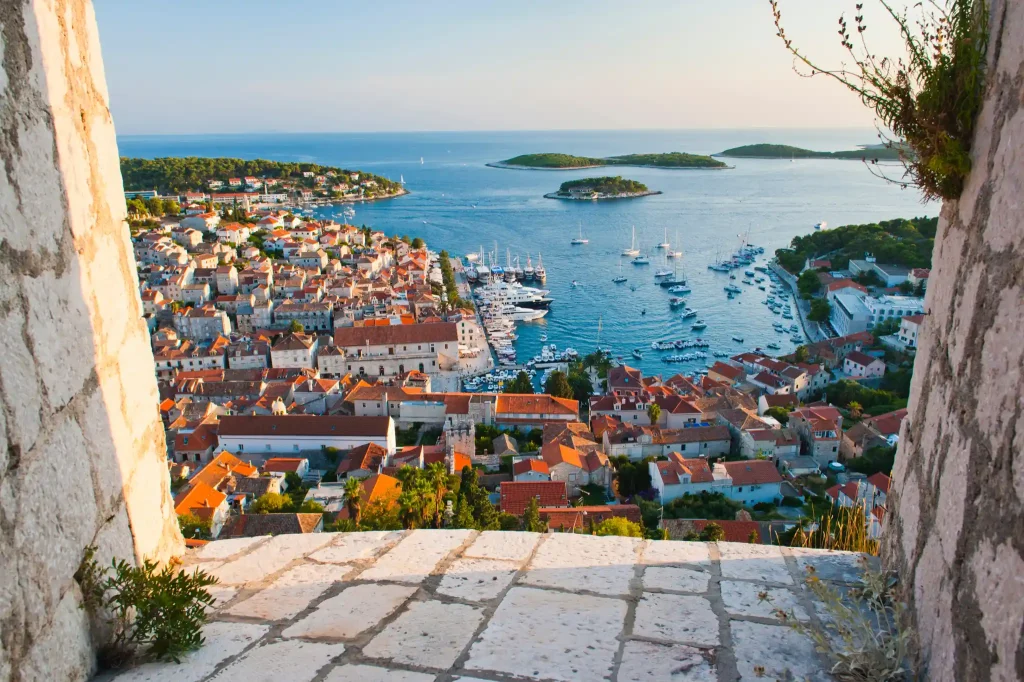
Croatia adventure tours, panoramic photo of Hvar, town at sunset
Hvar combines historic architecture, lavender landscapes, excellent restaurants, prestigious beach clubs, local wineries and a sophisticated Mediterranean energy. Beyond fashionable Hvar Town, the island reveals ancient villages, quiet roads, family farms and the UNESCO-protected Stari Grad Plain.
Brač is known for white limestone, traditional villages and Zlatni Rat, one of Croatia’s most recognisable beaches.
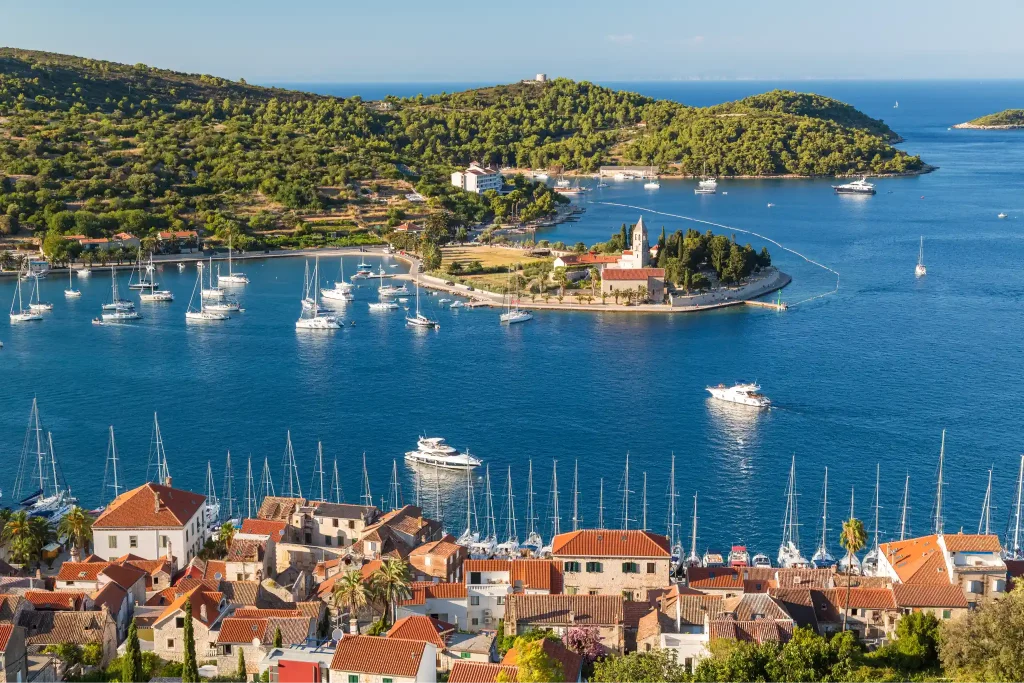
Vis, once closed to foreign visitors because of its military importance, has retained a distinct sense of remoteness. From here, travellers can explore the famous Blue Cave, hidden bays and the neighbouring island of Biševo.
Whether you spend several nights on one island or discover the archipelago from a private yacht, the Dalmatian islands offer a defining Croatian experience: brilliant sea, authentic flavours and the luxury of having nowhere else to be.
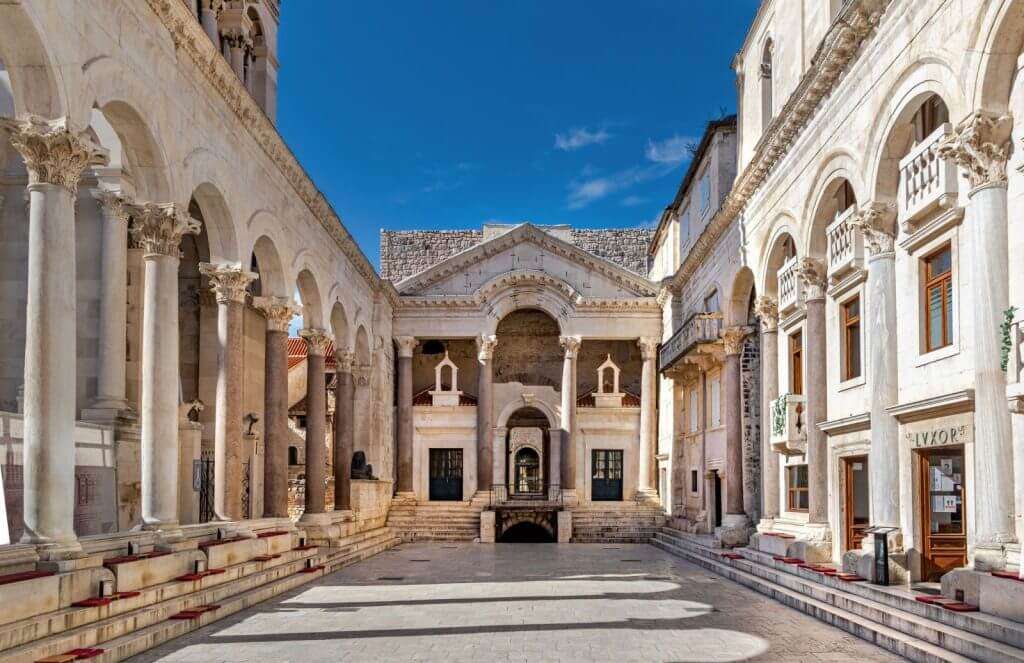
Peristyle, Diocletian palace, Split, photo by Maksim Basic, photo credit by TB of Split.jpg
Split and Trogir: Living History on the Adriatic
Split is not simply a gateway to the islands. It is one of the Mediterranean’s most fascinating living cities.
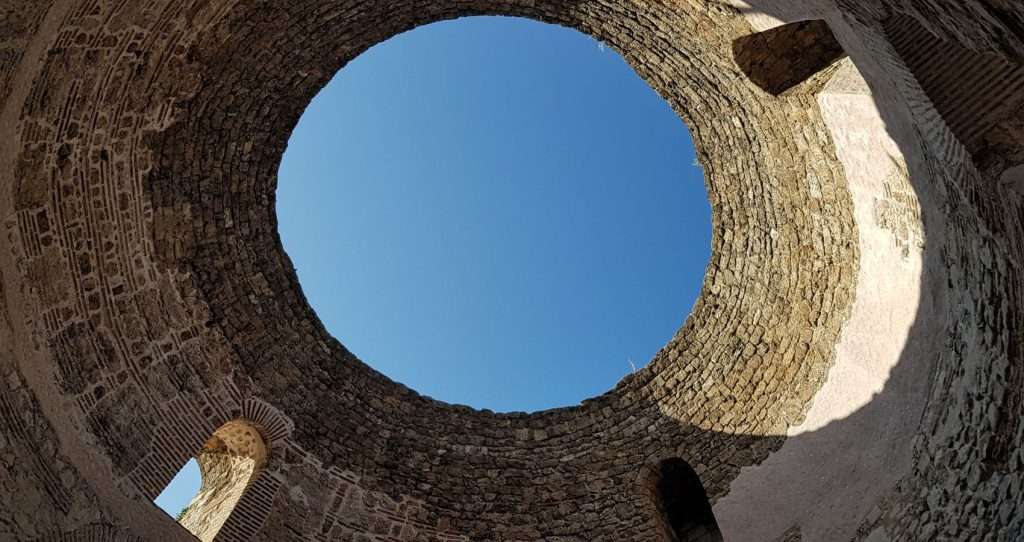
Croatian attractions Split Diocletian palace 10
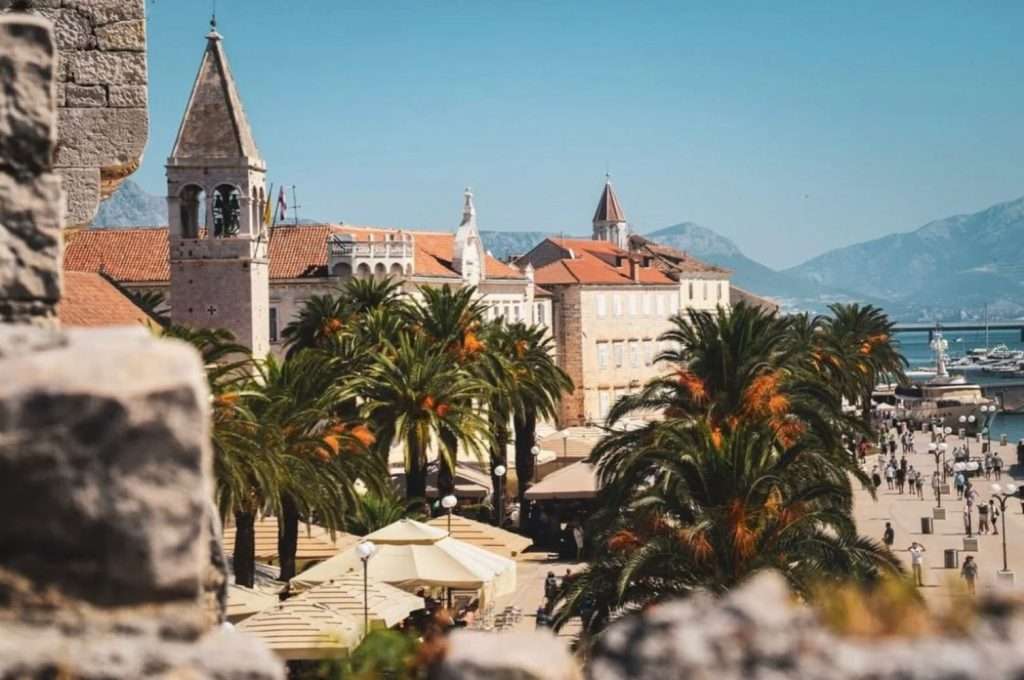
At its centre stands Diocletian’s Palace, built for the Roman emperor at the beginning of the fourth century. Today, its ancient walls contain homes, cafés, restaurants, shops and hidden courtyards. Rather than functioning as a conventional archaeological site, the palace remains fully integrated into everyday city life. Visit the Cathedral of Saint Domnius, explore the palace cellars and walk through narrow stone passages that have been inhabited for centuries. A short distance away, Trogir offers another extraordinary concentration of history and architecture. Its UNESCO-protected centre occupies a small island filled with Romanesque, Renaissance and baroque buildings.
Together, Split and Trogir create an exceptional day of architectural discovery—yet both also invite slower pleasures: a waterfront coffee, an elegant lunch, a local wine tasting or an evening walk beside the sea.
Trogir – photo by @_brala_ – photo credit by Trogir TB
Sibenik and Krka: Stone Masterpieces and Cascadind Waterfalls
North of Split, the Adriatic coast leads towards Šibenik, a historic city protected by a remarkable system of fortresses.
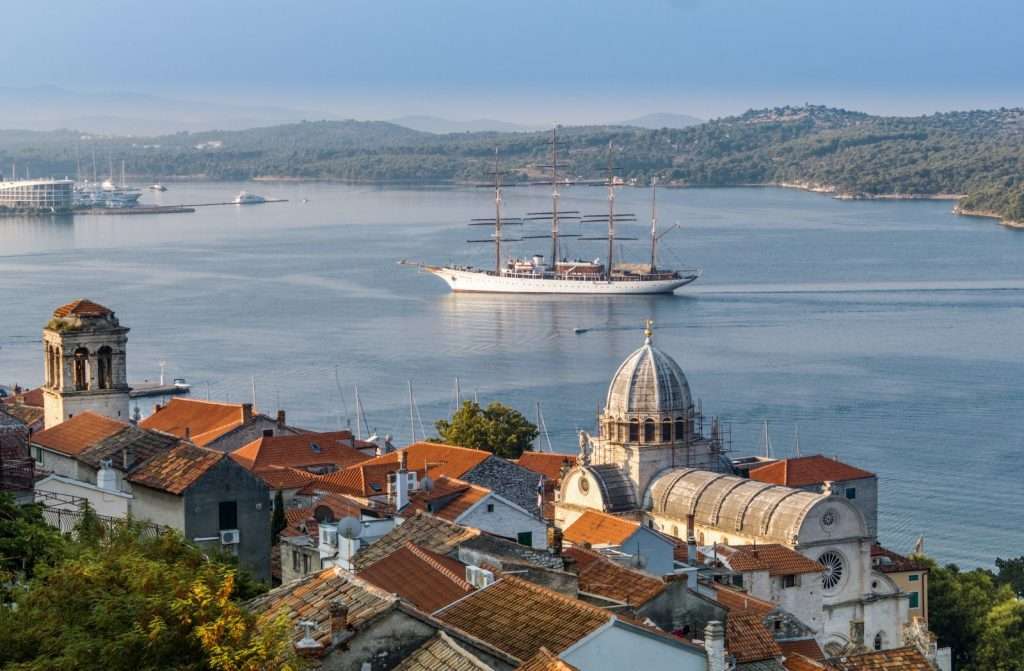
Šibenik, Photo by DreamDivision – photo credit by Tb of Šibenik-Knin county
At its heart stands the UNESCO-listed Cathedral of Saint James, a masterpiece created entirely from stone and decorated with a celebrated frieze of sculpted human faces. Nearby, Krka National Park introduces an entirely different landscape. Rivers, waterfalls, wooded paths and historic watermills create one of Croatia’s most attractive natural settings. While Skradinski Buk is its best-known waterfall, the park extends far beyond a single viewpoint. Depending on the season and the design of your itinerary, the experience may include quieter trails, panoramic viewpoints, archaeological sites or a visit to the impressive Manojlovac waterfall. Pairing Šibenik with Krka creates one of Croatia’s most rewarding combinations of cultural heritage and natural beauty.
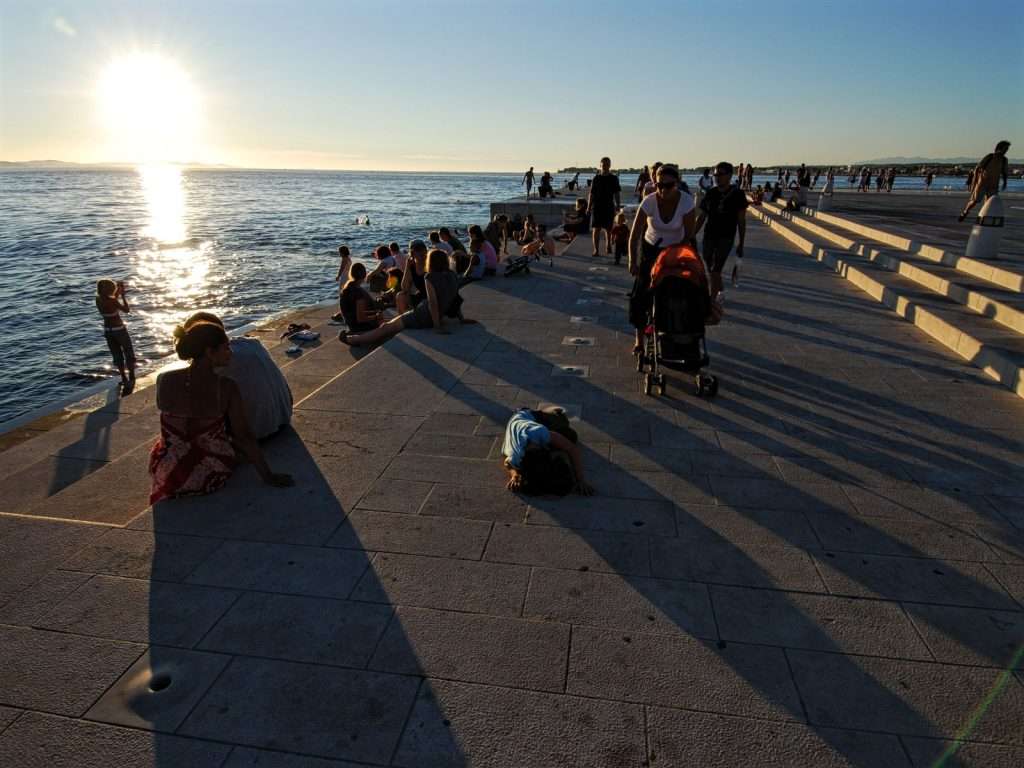
Zadar, Photo by Mladen Radolovic Mrlja TZG Zadar
Zadar: Ancient Heritage and Contemporary Imagination
Zadar is one of the Adriatic’s oldest continuously inhabited cities, yet it presents its history with a surprisingly contemporary spirit.
Within the historic centre, Roman remains, medieval churches and stone squares reflect more than two thousand years of urban life. The circular Church of Saint Donatus has become one of the city’s defining landmarks, while the nearby Roman Forum reveals the foundations of ancient Zadar. Along the waterfront, two modern installations have transformed the city’s relationship with the sea.
The Sea Organ creates music through the movement of waves, while the Greeting to the Sun comes alive with light after sunset. Together, they make Zadar’s waterfront one of the most atmospheric places in Croatia to end the day.
Alfred Hitchcock once praised Zadar’s sunset. Today, it remains every bit as memorable.
Sea Organ Zadar
Plitvice Lakes: Croatia’s Natural Masterpiece
From the Adriatic coast, the journey turns inland towards Plitvice Lakes National Park.
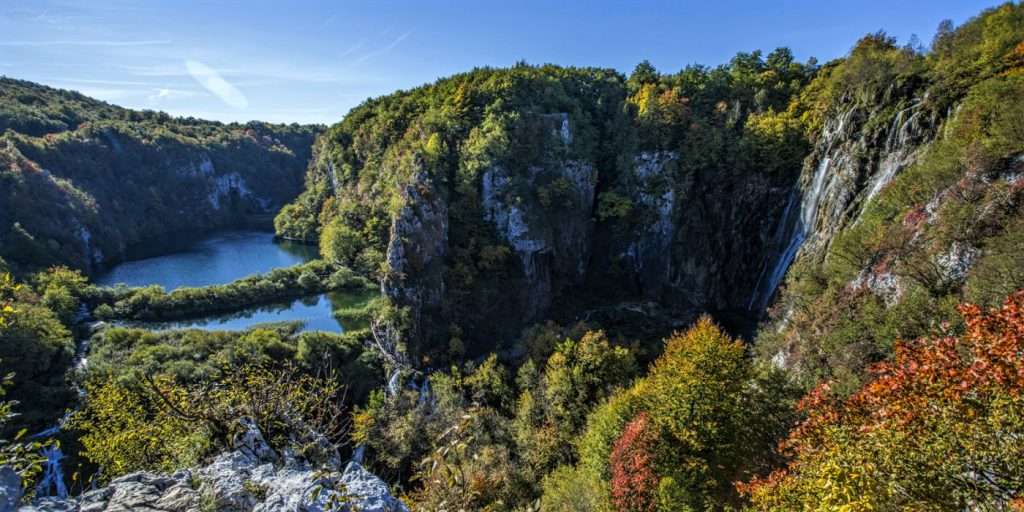
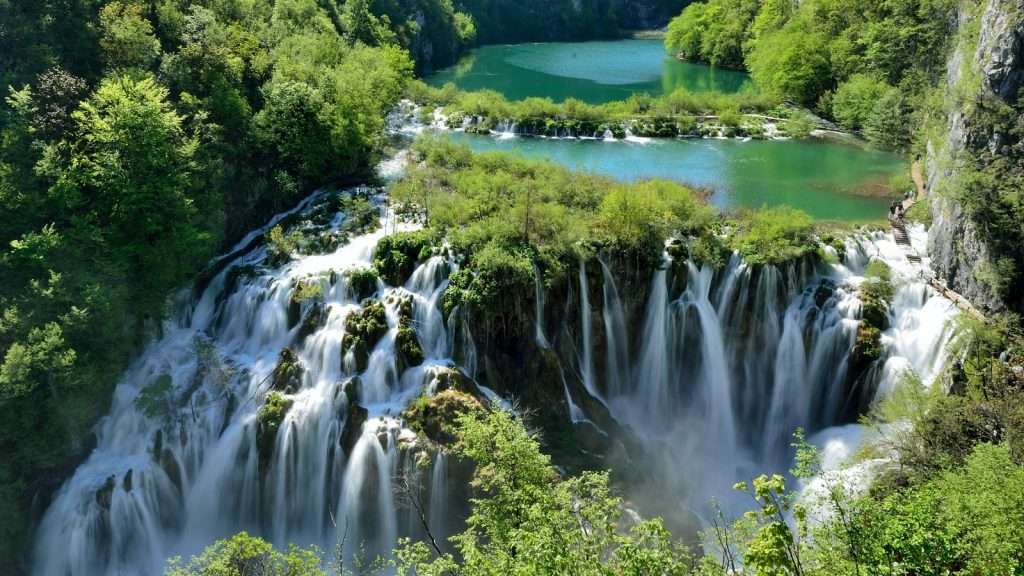
Croatia’s oldest and most famous national park is a UNESCO World Heritage Site known for its interconnected lakes, forested landscapes and waterfalls flowing over natural travertine barriers. Wooden pathways lead across water so clear that fish can be seen below the surface. Colours change with the weather, season and mineral composition, moving between turquoise, emerald and deep blue.
Croatian Attractions Nino Pavisic Plitvice
The park is divided into the Upper and Lower Lakes, each offering a different character and perspective. A thoughtfully planned visit usually requires several hours and is best enjoyed with a knowledgeable local guide who can select the most suitable route according to the season and your preferred walking level.
Plitvice is more than a scenic stop. It is one of the defining landscapes of Croatia and deserves to be experienced with time, care and respect.
Sastavci, Photo credit by NP Plitvice lakes (6)
Opatija: The Adriatic’s Elegant Grand Dame
After the rugged beauty of the national parks and Dalmatian coast, Opatija introduces a different expression of Croatia.
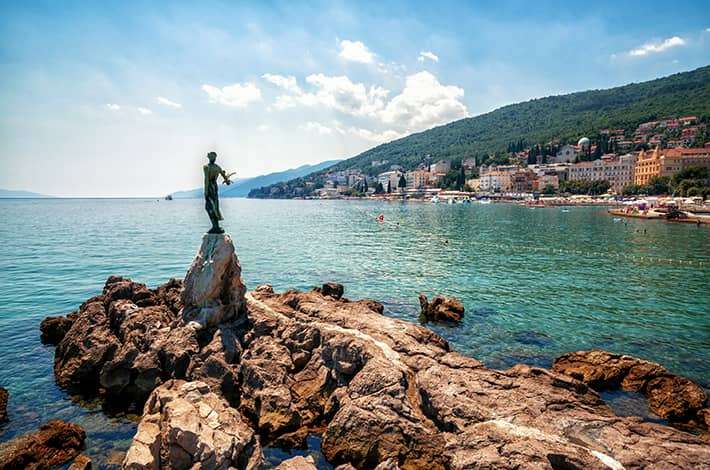
Statue maiden with seagull Opatija Croatia, Photo by Croatian Attractions Partner
Elegant villas, historic hotels, landscaped gardens and the celebrated Lungomare promenade recall the city’s rise as a fashionable resort during the Austro-Hungarian era. For more than 150 years, Opatija has welcomed travellers attracted by its mild climate, refined architecture and position overlooking Kvarner Bay.
It remains an appealing place to slow down, walk beside the sea and enjoy a quieter form of Adriatic elegance before continuing into Istria.
Every Croatia luxury private tour is created to reveal the country’s culture, landscapes and hidden places in complete comfort.
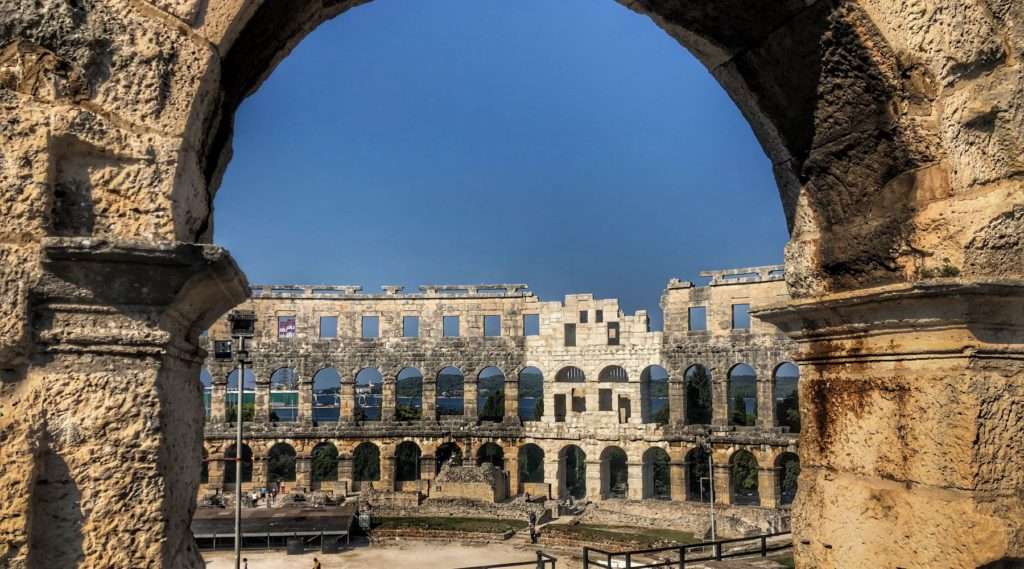
Amphitheatre in Pula Arena Istria Croatia photo by Matko M. Svarc 1024×569 1
Da bismo pružili najbolje iskustvo, koristimo tehnologije poput kolačića za čuvanje i/ili pristup informacijama o uređaju. Suglasnost s ovim tehnologijama će nam omogućiti da obrađujemo podatke kao što su ponašanje pri pregledavanju ili jedinstveni ID-ovi na ovoj web stranici. Nepristanak ili povlačenje suglasnosti može negativno utjecati na određene karakteristike i funkcije.
Funkcionalni Always active
Tehničko skladištenje ili pristup je striktno neophodan za legitimnu svrhu omogućavanja korištenja određene usluge koju izričito traži pretplatnik ili korisnik, ili u jedinu svrhu izvršenja prijenosa komunikacije preko elektronske komunikacijske mreže.
Preferences
The technical storage or access is necessary for the legitimate purpose of storing preferences that are not requested by the subscriber or user.
Statistika
The technical storage or access that is used exclusively for statistical purposes.Tehničko skladište ili pristup koji se koristi isključivo u anonimne statističke svrhe. Bez sudskog naloga, dobrovoljne suglasnosti od strane vašeg dobavljača internet usluge ili dodatnih zapisa treće strane, informacije sačuvane ili preuzete samo za ovu svrhu obično se ne mogu koristiti za vašu identifikaciju.
Marketing
Tehničko skladište ili pristup su potrebni za kreiranje korisničkih profila za slanje reklama ili za praćenje korisnika na web stranici ili na nekoliko web stranica u slične marketinške svrhe.




 Vis, once closed to foreign visitors because of its military importance, has retained a distinct sense of remoteness. From here, travellers can explore the famous Blue Cave, hidden bays and the neighbouring island of Biševo.